
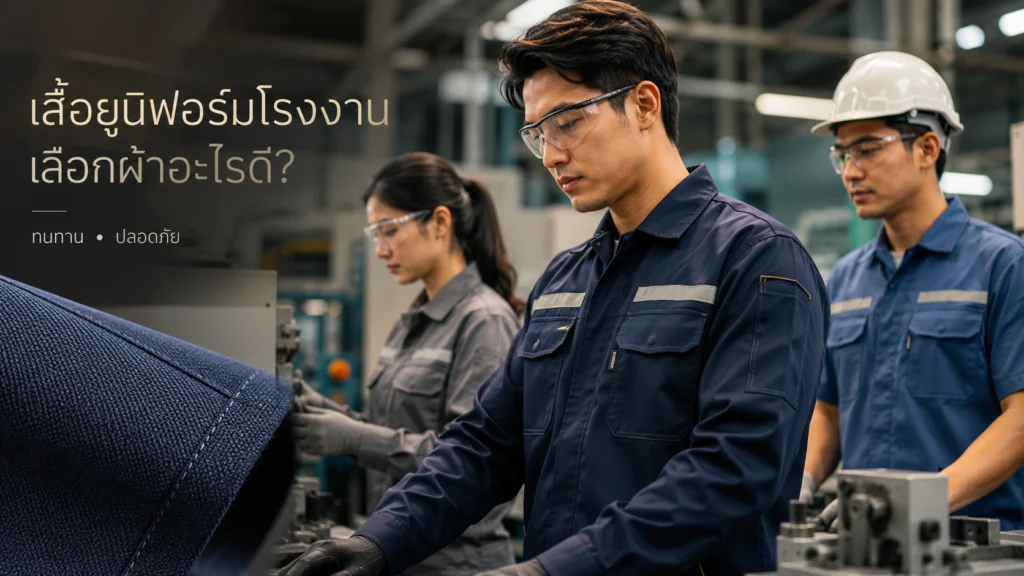
Procuring factory employee uniforms for industrial organizations is a major challenge for procurement and human resources departments. Because factory workwear constantly faces heat, chemicals, or rigorous movement, choosing the right fabric helps reduce the cost of frequent replacements while ensuring workplace safety. As uniform manufacturers, we have compiled the criteria for selecting uniform fabrics that meet industrial needs for your consideration.
Popular Fabric Types for Industrial Factories
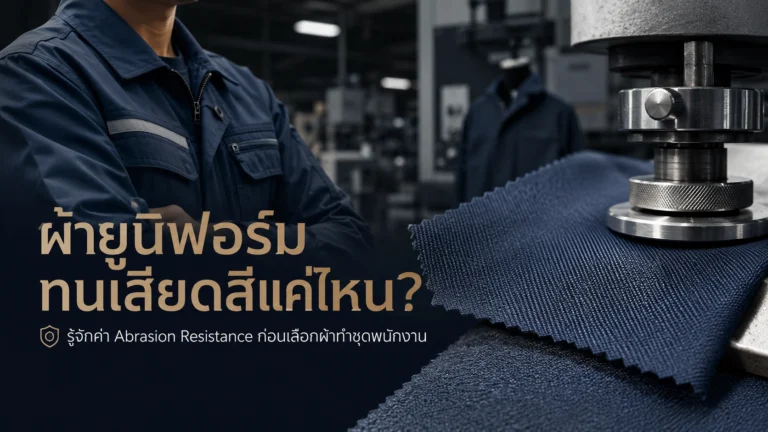
Fabrics commonly used for tailoring factory employee uniforms today vary by type, with each offering distinct key properties suited to specific job characteristics. TC fabric is ideal for general factories seeking cost-efficiency and easy ironing, while compound or twill fabrics feature high density, making them suitable for technician and maintenance work that requires abrasion resistance. Meanwhile, 100% cotton is typically used in electronics manufacturing plants or areas where static electricity accumulation is prohibited.
How to Determine Fabric Weight or Thickness Suitable for the Job Site
Fabric weight, or GSM, determines the thickness and durability of factory employee uniforms. For general production lines, the appropriate fabric weight is approximately 200 to 250 GSM to ensure good ventilation. However, for outdoor fieldwork or maintenance technicians, a fabric weight of 250 GSM or higher should be chosen to increase thickness and prevent tearing from machinery or sharp objects.
Safety Criteria and Hazard Protection Standards
Employee safety is the top priority when choosing uniform fabrics. Factories with risks involving sparks or heat should select flame-retardant treated fabrics. Food and pharmaceutical plants must choose fabrics with fibers that do not shed easily to prevent product contamination, while electronics assembly plants should select fabrics containing carbon fibers to prevent static electricity from damaging equipment.
Precautions When Choosing Fabrics for Factory Employee Uniforms
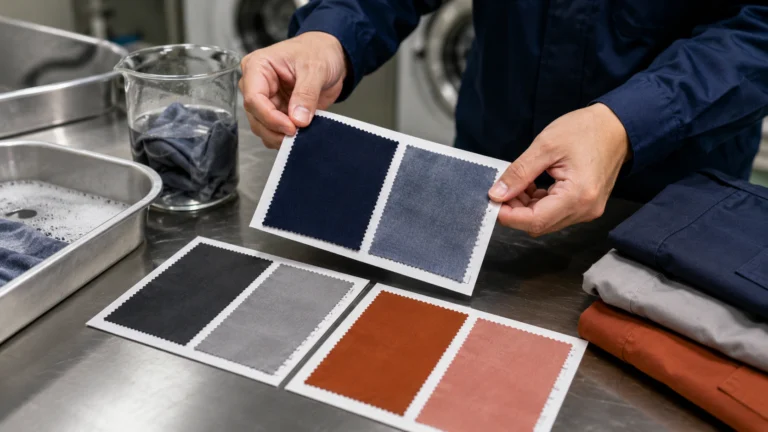
The most common mistake made by procurement teams is choosing fabrics based solely on price without considering the actual environment. Some fabrics are cheap but have a short lifespan and wrinkle easily, making the corporate image look unprofessional. Additionally, post-wash shrinkage rates should be considered, especially for fabrics containing natural cotton, which typically shrink slightly during the first wash. We always recommend requesting actual fabric samples to test for washing and tear resistance before placing bulk production orders.
Conclusion on Choosing Fabrics for Organizational Budget Value
Selecting fabrics for factory employee uniforms requires balancing durability, safety, and wearing comfort throughout the workday. Matching fabric types and weights to the job requirements helps organizations obtain long-lasting uniforms that offer great budget value and enhance long-term employee safety.